Harrow flat removals case study tight parking solved
Posted on 04/07/2026
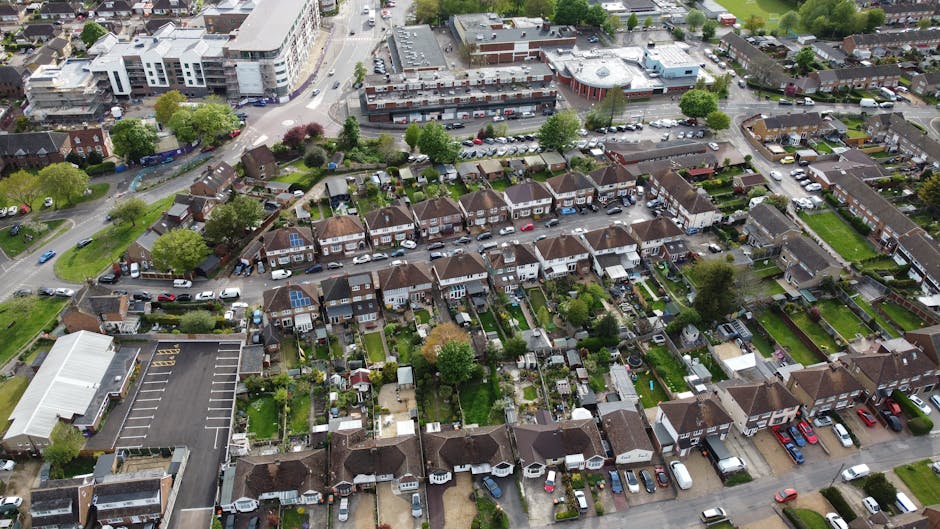
Harrow flat removals case study: tight parking solved
If you have ever tried to move a flat in Harrow and found the street outside packed with cars, bins, low branches, and not a spare metre to breathe, you will already know the real challenge is not the sofa. It is the parking. This Harrow flat removals case study tight parking solved article looks at how a difficult flat move can be planned properly, handled calmly, and completed without the usual chaos that tight London streets can bring. The point is simple: when access is limited, good removal work is all about planning, timing, communication, and a van setup that actually suits the job.
In the sections below, you will see what makes tight-parking flat moves tricky, how professionals solve them in practice, what mistakes cost people time and money, and how to prepare your own move so the day feels organised instead of overwhelming. A well-run flat removal is not luck. It is logistics.
Why Harrow flat removals case study tight parking solved Matters
Tight parking is more than a nuisance. It changes the whole shape of a flat removal. A normal move might allow the van to sit close to the entrance, but in many Harrow streets that is wishful thinking. You may have residents' bays, permit restrictions, narrow turns, one-way approaches, school-run traffic, or simply not enough room for a van to stay in place without causing obstruction. That is where people start losing time, and time is what removal day quietly eats if nobody is watching.
For flats, the problem is usually even sharper than for houses. Stairwells take longer. Lifts may be small or shared. Hallways are narrower. And if the van cannot get near the front door, every item has to be carried farther than expected. That adds fatigue, more lifting, and more opportunity for damage. A move that should feel straightforward can suddenly feel like a relay race with wardrobes.
Solving the parking issue matters because it affects four things at once: safety, speed, cost, and mood. A move under pressure tends to go badly in tiny ways first - a scratched wall here, a delayed lift slot there, someone getting flustered, then a whole domino effect. When parking is solved in advance, the rest of the day tends to breathe a little easier. Truth be told, that calm feeling is worth a lot.
It also matters commercially. If you are comparing removal companies in Harrow, you are not only buying manpower. You are buying problem-solving. The company that understands access issues, loading windows, and street positioning often delivers better value than the cheapest quote on paper.
Expert summary: In tight-parking flat moves, the winning strategy is not brute force. It is access planning, the right vehicle size, clear arrival timing, and a crew that can adapt without drama.
How Harrow flat removals case study tight parking solved Works
At its core, the solution is a mix of pre-move assessment and on-the-day control. The team looks at the property, the street layout, the loading options, and the distance from the van to the building entrance. Then they decide how to stage the move so the van, the crew, and the furniture all work together instead of fighting the road conditions.
In a real-world Harrow flat move, the process usually starts before anyone lifts a box. A good mover will ask about floor level, lift access, parking restrictions, and whether the road is wide enough for a longer vehicle. If the answer is uncertain, they may recommend a smaller vehicle, a split-load approach, or a timed arrival when the street is quieter. That is often the difference between a smooth move and an afternoon of circling the block.
One important part is vehicle placement. Sometimes the best option is not to park right outside, because that may block traffic or put the crew under pressure. Instead, the van may be positioned where it can load safely, even if that means a slightly longer carry. Less panic is better than a perfect-looking spot with a risk attached. A practical move beats a flashy one every time.
The second part is crew flow. Items are usually loaded in a sequence that protects delicate goods and makes best use of the available space. Heavier furniture goes first if the van layout allows it. Fragile boxes are kept separate. If a lift is involved, the team may stagger trips so the lift is not held up. Small thing? Maybe. But small things are where removal days are won.
For people needing a more compact and access-friendly setup, a service like man with a van in Harrow can be a sensible fit, especially where parking is tight and the job benefits from flexibility rather than a huge lorry. And for flats specifically, flat removals Harrow is often the right starting point when you want the move handled with access issues in mind from the outset.
Key Benefits and Practical Advantages
Once tight parking is properly solved, the benefits are very noticeable. You get a move that feels more controlled, less rushed, and less physically exhausting. That matters not just for the removal team but for you, because flat moves can be emotionally draining enough without the extra hassle of moving items from half a street away.
- Less carrying distance: fewer long walks with heavy furniture or packed boxes.
- Reduced damage risk: fewer awkward turns, fewer drops, and less bumping into walls or railings.
- Better time control: the crew spends time moving items, not hunting for a place to stop.
- Lower stress: no frantic last-minute parking scramble, no guesswork.
- More efficient loading: the van can be filled in a proper sequence instead of randomly.
- Cleaner communication: everyone knows where to meet, what the access plan is, and how long it should take.
There is also a financial angle. A job that runs smoothly often avoids hidden extras that creep in when access is poor or delays build up. If you are trying to keep the move budget realistic, it is worth reading about how to avoid hidden removal charges in Harrow and comparing it with pricing and quotes before you book.
And let's face it, a less stressful move is a better move. You unpack faster. You settle quicker. You are not starting your new chapter already exhausted.
Who This Is For and When It Makes Sense
This kind of move plan is especially useful if you live in a block of flats, mansion conversion, purpose-built apartment building, or any older Harrow street where parking is tight and access is awkward. It also makes sense if you are moving on a weekday, during busy school hours, or near a road where stopping is allowed only for a short time.
It is also a good fit for:
- first-time renters moving into a flat with limited street space
- students with small but awkward loads
- couples downsizing from a larger property into an apartment
- landlords turning over a unit quickly
- anyone with heavy furniture, awkward corners, or shared entrance access
- people who need help with a same-day or short-notice move
If your move involves a piano, large wardrobes, or bulky furniture, the access challenge becomes even more important. In that case, it may be useful to look at furniture removals Harrow or, where the item is particularly delicate, piano removals Harrow. Different items call for different handling. That sounds obvious, but it gets ignored all the time.
This approach is also sensible if you are weighing whether to use a full removals crew or a smaller team. A compact setup can be more agile in narrow streets. A larger team can still be right, but only if the street can support it. The road decides more than people expect.
Step-by-Step Guidance
If you want to solve parking headaches before they become move-day problems, follow a simple sequence. Nothing fancy. Just disciplined planning.
- Map the access early. Check the street, entrance, turning room, and any obvious parking restrictions. Think like a delivery driver, not like a house hunter.
- Measure the moving route. From van to front door, then front door to flat. Include stairs, lift size, corridors, and awkward corners.
- Tell the removal company everything. Do not hide the awkward stuff. If there is no easy loading bay, say so. If the lift is tiny, say so. If parking is often blocked, say so twice.
- Match the vehicle to the street. A smaller van may be better than a large one if it can park and load cleanly.
- Pack for faster handling. Keep boxes closed, labelled, and reasonably weighted. Loose items slow everything down.
- Prepare building access. Book lift slots if needed, let the building manager know, and keep entrances clear where possible.
- Plan the arrival window. Aim for a quieter time if the street is busy. Early morning is often calmer, though not always perfect.
- Set a fallback plan. If the closest space is unavailable, identify a second-best spot before move day.
That sequence is boring in the best possible way. Boring is good. Boring means the move is under control.
If you are moving quickly or under time pressure, a service such as same day removals Harrow can help, but only if the parking and access picture is communicated clearly from the start. Short notice and unclear access is where things get messy.
Expert Tips for Better Results
After handling enough local moves, you start to notice a pattern. The best results come from people who prepare the street, not just the boxes. Here are the small things that make a surprisingly big difference.
- Use clear labels: mark boxes by room and priority. It speeds up loading and unloading, especially when parking is far from the entrance.
- Keep a parking contact ready: if a neighbour or building manager can confirm a temporary space, that helps. Not always possible, but useful when it is.
- Protect corners and doorways: if the carry route is longer, the risk of knocks increases. Simple coverings can save paintwork.
- Disassemble what you can: flat-pack furniture, bed frames, and table legs all become easier when space is tight.
- Reserve the first unload items: kettle, bedding, toiletries, charger, and documents should travel separately. Nobody wants to hunt for a toothbrush at 10 pm.
- Ask about crew experience: some teams are better at apartments and narrow streets than others. That matters more than many people realise.
One small but useful habit: take a quick photo of the street before the move. It sounds almost too simple, but it gives the removal team a better idea of the scene before they arrive. A picture of a blocked curb or a tight turning point can save a lot of back-and-forth.
Also, be honest about what you own. If there is a treadmill, a heavy bookcase, or a sofa that seems to have been designed by someone who hates doorways, say it. There is no prize for surprising the movers. None at all.
Common Mistakes to Avoid
The most common mistake is assuming the street will somehow work itself out on the day. It usually does not. People arrive, traffic is there, the nearest space is taken, and everyone starts improvising. That is how delays begin.
Other mistakes are easier to avoid once you know them:
- Not checking parking restrictions: red routes, permit bays, and loading limits can all change the plan.
- Booking the wrong vehicle size: too big and it cannot access the street properly; too small and you need multiple runs.
- Leaving packing to the last minute: rushed packing makes loading slower and more fragile.
- Forgetting building rules: some flats have move-in windows, lift protection requirements, or quiet-hour rules.
- Underestimating stair difficulty: one flight may not sound like much. By box forty, you will feel it.
- Not telling the team about large items: this is how delays and awkward rehandling happen.
There is also the classic error of focusing only on price. Cheap can be fine, but cheap without access planning can become expensive quite quickly. If you want to compare value more carefully, these cheap removals tips for Harrow are a sensible companion read.
And one more, because it comes up a lot: do not assume the driver can legally stop anywhere for "just two minutes". In London, two minutes can be enough to upset a loading plan or attract the wrong kind of attention. Not ideal.
Tools, Resources and Recommendations
You do not need complicated software to manage a flat move, but a few practical tools help a lot. A phone map, a tape measure, a notebook or notes app, and a camera are usually enough. The real tool is preparation.
Here is a simple set of recommendations that works well for most Harrow flat moves:
- Floor plan or rough sketch: even a hand-drawn sketch helps the crew understand room access and item placement.
- Inventory list: group items by room, size, and fragility.
- Box labels and coloured tape: easy to read, easy to stack, less confusion on arrival.
- Measuring tape: check lifts, doorways, and larger furniture dimensions before move day.
- Phone reminders: for parking notices, lift bookings, or key handovers.
- Storage option if needed: useful when move-out and move-in dates do not line up cleanly.
If your schedule is split or your new place is not ready yet, consider storage in Harrow. It can take the pressure off, especially if tight parking means the loading window is already demanding enough. And if you need help getting things boxed up properly, packing and boxes Harrow gives you a practical route to better preparation.
For a broader view of the service mix, services overview is a helpful place to understand how the moving support pieces fit together. In many cases, the real solution is not one single service. It is a set of small decisions that line up neatly.
Law, Compliance, Standards, or Best Practice
Flat removals in Harrow may look straightforward, but they still sit inside a wider framework of good practice. You do not need to become a compliance expert, thankfully, but you should expect a professional mover to handle access, lifting, and transport with care.
In the UK, basic expectations usually include safe lifting, sensible vehicle loading, and respect for building rules, access routes, and parking restrictions. If a building has a concierge, permit system, lift booking process, or move-in rules, the removal plan should work around those conditions rather than ignore them.
Health and safety matters too. Heavy carrying on stairs, awkward turns, wet pavements, and narrow entrances all increase risk. A responsible removal provider should think about safe handling, staff coordination, and whether the route is workable before the loading starts. If you want a clearer sense of the company's approach, the health and safety policy and insurance and safety pages are useful reference points.
There are also customer-side expectations. Be accurate when describing the property and the access conditions. Be clear about timing. And if you need to change the plan, give notice as early as you can. A move is a shared effort, and good communication matters more than people think.
Best practice is usually simple: make the access plan honest, keep everyone informed, and do not leave parking to chance. That alone prevents a lot of headaches.
Options, Methods, or Comparison Table
Different flat moves need different approaches. The right method depends on access, the amount of furniture, and how close the van can get to the building. Here is a practical comparison.
| Method | Best for | Strengths | Trade-offs |
|---|---|---|---|
| Large removal van | Full flat contents with workable street access | Moves more in fewer trips | Can struggle with tight parking or narrow turning |
| Smaller van or man-and-van setup | Limited access streets, smaller flats, quicker jobs | More flexible in tight spaces | May need extra runs if the load is heavy |
| Staged move with parking buffer | Busy roads or uncertain stopping space | Reduces pressure and parking risk | Takes more planning and may take longer |
| Move with temporary storage | Gap between move-out and move-in dates | Keeps the day manageable | Requires a second handover later |
For many Harrow flats, the smaller, more flexible option wins. Not because it is "better" in general, but because it fits the street better. Fit matters. A lot.
If you are deciding between a broader removals team and a compact approach, a page like man and van Harrow can help you think through the kind of support that suits smaller loads or tight access. And if you want a service that stays closely focused on the move itself, removal services Harrow may be the broader umbrella to compare against.
Case Study or Real-World Example
Here is a practical example based on the kind of situation removals teams often see in Harrow. A tenant moving out of a second-floor flat on a residential street had limited parking, a shared entrance, and a lift that was too small for several large items. On the first look, the move seemed awkward. Nothing impossible, but awkward enough to go wrong if handled casually.
The solution was straightforward once the details were collected. The mover used a smaller vehicle that could position itself more easily, arrived at a quieter time of day, and broke the load into two clear phases. Smaller boxes and lighter items went first while the larger furniture was prepped near the exit. A second person kept the carry route clear inside the building, which stopped the hallway from turning into a bottleneck. No drama. No shouting across the street. Nice and steady.
Because the parking plan was settled before arrival, the van was never left in a risky spot for long. The crew could load efficiently without constantly moving the vehicle. The result was a move that looked calm from the outside, even though the street itself was not especially friendly.
That is the real lesson here. The solution was not magic. It was not some secret trick. It was a sequence of sensible choices: better vehicle sizing, better timing, better communication, and less optimism about the street than people usually have on moving day.
For people who are new to Harrow or are thinking about where they are moving within the borough, it can help to understand the local housing picture too. Articles such as Harrow real estate for beginners and would you like living in Harrow, ask locals give useful local context. Different streets create different moving problems, plain and simple.
Practical Checklist
Use this checklist before moving day. It is not glamorous, but it works.
- Confirm the flat floor level and lift access
- Check parking restrictions and loading rules
- Measure large furniture and doorways
- Tell the mover about stairs, tight corners, or long carries
- Book any building move slots required
- Pack fragile items separately and label them clearly
- Keep essentials bagged for easy access
- Take photos of parking and entrance points if useful
- Plan a backup parking spot
- Make sure keys, codes, and contact details are ready
- Review insurance and safety expectations
- Arrange storage if dates do not line up
A final human reminder: leave yourself a little breathing room. If a move starts at 8 am and everything is scheduled to the second, something small will probably wobble. That is life. A half-hour buffer can feel luxurious on the day, and honestly, it often saves the whole mood.
Conclusion
When a Harrow flat move is affected by tight parking, the answer is rarely to push harder. It is to plan better. The best Harrow flat removals case study tight parking solved examples all share the same features: realistic access checks, the right vehicle, clear communication, and a crew that knows how to work with the street instead of against it.
If you are preparing your own move, focus on the access details first and the packing second. That may sound backwards, but it is exactly how you avoid delays, damage, and unnecessary stress. The street outside your flat is part of the move. Treat it like part of the job, and things go much more smoothly.
Get a free quote today and see how much you can save.
And if you are still weighing up your options, have a look at the wider removals Harrow service information before you decide. The right support can turn a tight little headache into a clean, manageable move. That peace of mind counts for a lot.


 CALL US NOW


