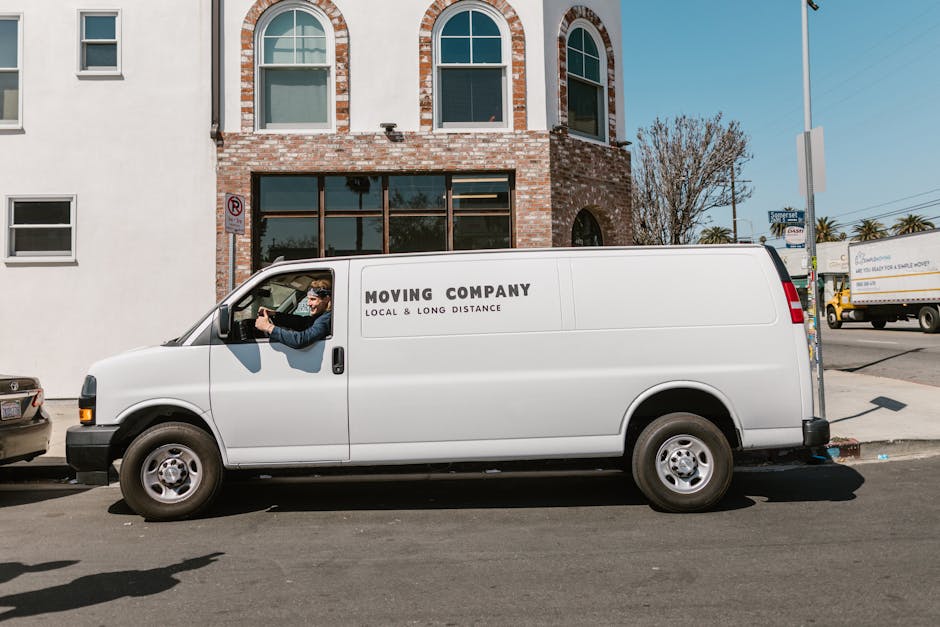
Pinner Man and Van Guide: Small Moves and Parking Permits
If you are planning a small move in Pinner, the tricky bit is often not the lifting. It is the parking. A short street, a busy cul-de-sac, or a permit-controlled bay can turn a simple job into a stressful one very quickly. This Pinner man and van guide small moves and parking permits is here to make the whole thing feel manageable, whether you are moving a few boxes, a sofa, a one-bed flat, or a handful of office items.
The good news? A well-planned man and van move is usually the most flexible way to handle smaller removals. The better news is that once you understand how parking permits, loading restrictions, access, and timing fit together, the day runs far more smoothly. Less waiting, less circling the block, less sweating over whether the driver can stop legally for long enough to load the heavy stuff. Let's keep it practical.
Why Pinner Man and Van Guide Small Moves and Parking Permits Matters
Small moves are often underestimated. Because there are fewer boxes than a full house move, people assume the logistics will be easy. Then the van cannot park close enough, the lift is too small for the wardrobe, or the street is permit only and the available space is half a road away. That is where the stress begins.
Pinner has the kind of mixed residential layout that makes access planning important. You may have terraced streets, flats above shops, tight side roads, or shared driveways with limited turning room. A move that looks quick on paper can take longer if the vehicle needs to stop, unload, and reposition several times. In our experience, that is when a calm, organised approach pays for itself.
Parking matters for three simple reasons. First, it affects safety. If the van is parked badly, movers are forced to carry heavy items further than they should. Second, it affects time. Every extra minute spent hunting for space becomes extra labour and frustration. Third, it affects compliance. If a permit or loading restriction applies and it is missed, the whole move can get messy, and nobody wants a ticket on moving day. Not ideal. Not at all.
For local moves, clarity helps more than brute force. If you are looking at a short move in the area, services such as man and van support or broader removal services can give you a more realistic plan for access, load size, and timing. That practical fit is usually more valuable than simply choosing the cheapest quote.
How Pinner Man and Van Guide Small Moves and Parking Permits Works
A small move with a man and van service usually follows a simple pattern. You book a vehicle and driver, explain what needs moving, and agree the access details. Then the moving team arrives at the arranged time, loads the items, drives to the destination, and unloads them where you need them. Straightforward, yes, but the details make the difference.
The parking piece is usually sorted before the move begins. That might mean checking whether the collection or delivery address is in a permit zone, whether temporary loading is allowed, or whether there are time-limited restrictions. In some cases, a customer arranges the permit. In others, the mover advises on what to check and what information is needed. The exact process can vary by location and by property type, so it is best not to assume.
For a move in a flat, the access picture can be more complicated than a house move. You might have stairs, a communal entrance, or a shared parking court. If you are moving out of a flat, it can help to look at flat removals support so you can plan for narrower hallways and loading space at both ends. Small moves are often all about these tiny friction points.
For the actual transport side, you may also come across the terms removal van, moving truck, and man with a van. In plain English, they all point to a vehicle-and-labour setup that can be scaled to the job. A small move does not need a huge lorry. It needs the right vehicle, the right timing, and enough room to work without blocking the street like a badly parked sandwich van at lunch time.
Key Benefits and Practical Advantages
The biggest advantage of a man and van move is flexibility. You are not paying for a massive removal operation when you only need to move a few pieces. That matters if you are moving between rooms, from a studio flat, into student housing, or downsizing after years in one place.
Here are the benefits people notice most:
- Better fit for smaller loads - ideal when you do not need a full-size removal truck.
- Faster scheduling - many small moves can be arranged more quickly than full relocations.
- Less waste - you are not booking more vehicle space or labour than you need.
- Local access expertise - a good mover thinks about parking, bay size, and loading access before arrival.
- Lower disruption - particularly useful if you are moving during a working week or between short-term lets.
The parking side is just as important. If the van can stop close to the entrance, the move becomes safer and more efficient. Heavy items like drawers, bed frames, or stacked boxes are much easier to manage when there is not a long walk from the kerb. That is true even if the move is small. Maybe especially then.
There is also a quieter benefit: peace of mind. When parking is planned, the day feels less chaotic. You are not looking out of the window every five minutes wondering whether the driver will find a space or whether the neighbours are about to get annoyed. Small move, yes. But a badly planned one can still feel surprisingly fraught.
If your move includes packing help, packing and boxes support can make things much tidier and easier to stack. And if you need the move done quickly, same-day removals may be worth considering, provided the access and parking situation is clear enough to avoid delays.
Who This Is For and When It Makes Sense
This type of move is a strong fit for people who need practical help without the scale of a full house removal. If you are carrying just enough stuff to make a car trip unrealistic, but not enough to justify a large removals team, a man and van service can be the sweet spot.
It usually makes sense for:
- students moving into or out of rented accommodation
- people moving a small flat's worth of furniture
- households shifting bulky items between addresses
- landlords or tenants clearing a few leftover items
- small office moves with boxes, chairs, and compact equipment
- anyone who needs help with loading, transport, and unloading in one visit
It is also a sensible choice if your property has awkward access. For example, if there is limited on-street parking or a narrow entrance, a smaller vehicle may be easier to position than a larger one. Sometimes smaller is simply smarter.
If you are relocating a business unit or a home workspace, you may find office removals more relevant, especially when careful handling of desks, file boxes, or IT equipment matters. For general domestic moves, home moves can give a more rounded service, while student removals are often built around compact loads and tight schedules.
Step-by-Step Guidance
Here is the simplest way to approach a small move in Pinner without leaving everything to chance.
- Make a rough inventory. Write down what is going and what is not. Include furniture, box counts, awkward items, and anything fragile.
- Check both addresses for access issues. Measure stairs, door widths, and lift size if needed. Look at the road outside too. Is there a bay? A permit sign? A single yellow line? Small details matter.
- Confirm parking needs early. If the road is permit controlled or loading restricted, work out who will arrange the permit and what timing applies.
- Choose the right vehicle size. A small move often only needs a van, but if you have multiple large items, a slightly larger vehicle may save time.
- Pack with loading in mind. Heavy items at the bottom, fragile items protected, and similar-sized boxes grouped together. It sounds obvious. People still skip it.
- Share the useful details with the mover. Tell them about stairs, parking, broken lifts, long walks from the kerb, or anything else that could affect timing.
- Plan the timing around traffic and neighbours. A quieter slot can make a big difference in busy residential streets.
- Keep essentials separate. Documents, keys, chargers, medicine, and a kettle if you are the sort of person who needs tea first. Which, to be fair, most of us are.
If you are moving furniture only, services such as furniture removals or even furniture pick-up can be a better match than a general move package. That depends on whether you are moving one item, several items, or an entire room's contents.
Expert Tips for Better Results
A few small choices can save a lot of hassle on moving day. The first is to over-communicate access details. If you think something may be a problem, say so. The driver would rather know there is a tight entrance or a tricky parking bay before arrival than discover it with a sofa halfway through the doorway.
Second, keep the route from the property to the van as clear as possible. Hallways, stair landings, and front steps are often where delays happen. You do not need a showroom-level tidy house. Just remove the obvious trip hazards, loose bags, or shoes strewn in the route. That alone makes a real difference.
Third, think about the weather. A damp morning in London can make cardboard soft and floors slippery. A quick towel by the door or a plastic sheet in the van is a sensible move. Not glamorous, but practical beats glamorous every time.
Fourth, if you need the move to happen around a workday or by a strict deadline, ask about removal van options that match the size of the job instead of simply choosing the first vehicle available. It is often the difference between a calm morning and a stressful one.
Finally, keep your expectations realistic. Small moves are quicker than full house removals, but they still involve planning. The people who have the smoothest experience are usually the ones who treat it like a small project rather than a casual lift-and-go job. That sounds obvious. It still gets missed all the time.
Common Mistakes to Avoid
Most moving problems are avoidable. They tend to come from assumptions rather than bad luck.
- Assuming parking will be easy. In permit zones or busy streets, it rarely is.
- Not checking access at both ends. The destination can be just as awkward as the collection point.
- Underestimating item size. That wardrobe that looked manageable at home suddenly seems much larger on the pavement.
- Packing too loosely. Loose lids, soft boxes, and mixed fragile items cause damage and slow unloading.
- Leaving permit arrangements until the last minute. That is how small issues become expensive ones.
- Choosing the wrong service level. A basic van hire is not always enough if you also need lifting help, protection, or assembly support.
One of the most common surprises is the walking distance from the van to the front door. A space around the corner may look fine on paper, but if the mover has to push trolleys down a long pavement or cross several obstacles, the job becomes slower and more tiring. The move may still go well, but it will not feel as efficient as it should.
If you have a mix of household items and unwanted pieces, house removals or furniture removals may provide a better overall fit than piecing everything together separately. And if storage is part of the picture, storage can be a useful bridge between homes or during renovations.
Tools, Resources and Recommendations
You do not need a box of specialist kit for a small move, but a few basics help enormously. A tape measure is worth its weight in gold, especially if you are checking whether a wardrobe or sofa will clear a doorway. A marker pen helps label boxes clearly. A simple hand trolley can be useful, though many movers will already bring suitable equipment if needed.
Here is a practical set of recommendations:
- Measure large items before the move, not after you are stuck in the hallway.
- Use strong boxes that can be stacked without collapsing under pressure.
- Label boxes by room and, if helpful, by priority.
- Keep a small essentials bag with chargers, documents, and keys.
- Take photos of awkward items so you can describe them clearly when booking.
- Check whether dismantling is needed for beds, tables, or shelves.
If you want to understand what you are paying for, a transparent quote process is helpful. The page for pricing and quotes is the right place to compare expectations before the job starts. For reassurance around payments, payment and security can help explain how transactions are handled. A quick read saves awkward questions later, and frankly, that is never a bad thing.
For customers who value ethics and waste reduction, recycling and sustainability may also matter, especially if the move includes items that need to be rehomed, recycled, or disposed of carefully rather than dumped. A lot of people forget this bit until the last minute.
Law, Compliance, Standards, or Best Practice
Parking and loading in London are not just practical issues. They can also raise compliance questions. Local streets may have permit zones, loading restrictions, yellow lines, bay controls, or time limits. The exact rules depend on the street and the local authority, so it is always sensible to check the current position before the move rather than relying on memory or guesswork.
Best practice is simple:
- confirm whether the address is permit controlled
- check the times when loading is permitted
- make sure the vehicle can legally stop close enough to load safely
- avoid blocking driveways, crossings, or emergency access
- factor in any time restrictions for flats, estates, or managed buildings
It is also wise to work with a mover who takes health and safety seriously and can explain how items are lifted, protected, and transported. Good practice is not just about avoiding fines or complaints. It is about reducing damage and making sure people are not carrying heavy items in awkward, unsafe ways.
Insurance matters too. A reputable provider should be able to talk clearly about insurance and safety, including what is covered and what the customer should do to protect fragile or valuable belongings. If you are unsure about terms, that is fine. Ask. Better to ask now than wonder later why a mirror arrived in four pieces.
For businesses, the same principles apply. If the move involves desks, filing, stock, or equipment, commercial moves and office relocation services are more appropriate than a casual one-off lift. The point is matching the method to the risk.
Options, Methods, or Comparison Table
Not every move needs the same setup. The best choice depends on how much you are moving, how awkward access is, and whether you need help with loading or just transport.
| Option | Best for | Strengths | Limitations |
|---|---|---|---|
| Man and van | Small to medium loads, local moves, flat moves, single-item transport | Flexible, practical, usually cost-effective, easier to fit around parking constraints | Less suited to very large households or complex multi-day moves |
| Removal van | Compact domestic moves with a bit more volume than a basic van run | Good balance of capacity and manoeuvrability | May still need careful parking planning in tight streets |
| Full removals service | Larger homes, higher item counts, more fragile or bulky furniture | More support, more handling help, better for complex logistics | Often more than needed for a small local move |
| Furniture-only collection | One or a few furniture items | Simple, quick, efficient | Not ideal if you also have lots of boxes or mixed household items |
For many Pinner jobs, the man and van route is the most balanced option. If you need a little more help, man with a van and man with van pages can help you think in terms of service style as well as capacity. The labels differ slightly, but the practical question is the same: what size of help do you actually need?
Case Study or Real-World Example
A typical local scenario looks like this. A tenant in Pinner is moving from a first-floor flat into a nearby house. They have a bed frame, a mattress, two chests of drawers, six boxes, and a desk. The problem is not volume. It is access. The flat is on a road with limited parking, and the new house sits on a street with a narrow frontage.
Instead of treating the move as a simple van collection, the customer checks the street access in advance, clears the hallway, dismantles the bed frame, and tells the mover where the van can legally stop. On the day, the team arrives, loads in one pass, and avoids a second trip across the road. The whole thing feels calm. A bit boring, even. Which is exactly what you want from a move.
Now compare that with the version where nobody checks parking. The van arrives, circles for ten minutes, ends up too far away, and the lift or stairs turn every item into extra effort. Nobody is happy. The job still gets done, but it takes longer and feels harder than it should.
If that sort of smooth handover is what you need, a well-organised man and van booking combined with clear access information is usually the winning formula. For bigger homes, you might look at house removalists or house removals instead. Different scale, different tool.
Practical Checklist
Use this before moving day. It is the kind of list that saves you from saying, "I knew I was forgetting something."
- Confirm the move date and arrival window.
- Check parking restrictions at both addresses.
- Arrange any permit or loading bay access needed.
- Measure big furniture and awkward doorways.
- Pack and label boxes clearly.
- Dismantle items if that will help them fit safely.
- Set aside essentials for the first 24 hours.
- Protect floors, stairs, and vulnerable corners where possible.
- Tell the mover about stairs, lifts, or long walking distances.
- Keep keys, documents, and valuables with you.
- Double-check the destination address and postcode.
- Make sure pets and children are safely out of the way during loading.
If you are moving with a student budget or a short timeline, the same checklist still applies. The difference is usually just scale, not logic. In fact, smaller moves can be more sensitive to bad planning because there is less room to absorb delays.
Get a free quote today and see how much you can save.
Conclusion
The real lesson in any Pinner man and van guide small moves and parking permits conversation is simple: small moves are only small when the logistics are under control. Once parking, access, loading space, and timing are sorted, the whole experience becomes much easier. Calm, even.
That is the goal. Not perfection, just a move that feels organised and sensible. If you know the access details, choose the right service level, and prepare your items properly, you can avoid most of the common headaches before they start. And honestly, that is a relief in itself.
If you are planning a local move, take five minutes to check the parking, measure the awkward bits, and book the right support. Small effort now. Big difference later. That's usually how the best moves work.
Frequently Asked Questions
Do I need a parking permit for a man and van move in Pinner?
Sometimes, yes. It depends on the road, the time of day, and whether the area is permit controlled or has loading restrictions. Always check the specific address rather than assuming parking will be fine.
How far in advance should I sort out parking for a small move?
As early as possible. For a simple local move, a few days may be enough, but earlier is better if permits, bays, or building access need to be arranged.
Is a man and van service suitable for a flat move?
Yes, very often. It is especially useful for compact loads, stairs, and short local journeys. If the access is tight, flat removals support is worth considering.
What should I tell the mover before the job starts?
Share the inventory, any fragile items, parking details, floor level, lift access, and whether there are long walks from the van to the door. The more precise you are, the smoother it tends to go.
Can a man and van move furniture only?
Absolutely. A furniture-only collection is one of the most common small-move jobs. For one-off items, furniture pick-up or furniture removals can be a good fit.
What if I do not have parking outside my property?
Then the access plan becomes even more important. You may need a nearby legal loading spot, a temporary arrangement, or a vehicle size that can work with a short carry distance.
Is it cheaper to book a van only and do the lifting myself?
Sometimes, but not always. If heavy or awkward items are involved, paying for help may save time, reduce risk, and avoid damage. It depends on your strength, the access, and the item sizes.
How do I know whether I need a removal van or full removals service?
If you are moving a small number of items, a removal van or man and van setup is often enough. If the load is larger, more fragile, or more complex, full removals support may be better.
What is the best way to pack for a small move?
Use sturdy boxes, avoid overfilling, label everything clearly, and keep heavy items at the bottom. A little order at packing stage saves a lot of time later.
Can same-day removals work if I suddenly get a parking issue?
They can, but only if the access problem can be solved quickly and safely. It is better to check parking before you book rather than hoping a last-minute fix will appear.
What happens if the van cannot park as planned?
Usually the mover will adapt, but that may add time and make the job harder. In the worst case, the move may need to be rescheduled if access is unsafe or unlawful.
Are small moves still covered by insurance and safety standards?
They should be. A responsible provider will still apply basic safety procedures and explain what protection is in place. If you are unsure, review the company's insurance and safety information before booking.
What is the most common mistake people make with parking permits?
Leaving it too late or assuming the situation is the same as a previous move. Parking rules can change by street, time, or permit zone, so it is always worth checking again.
Should I choose a cheaper quote if parking looks difficult?
Not automatically. A cheap quote that ignores access issues can turn into a slower, more frustrating move. A more realistic quote is often the better deal in the end.